Spaces that Inspire: Creating Simple and Functional Environments to Facilitate Creativity
Unlocking Creative Potential Through Environment
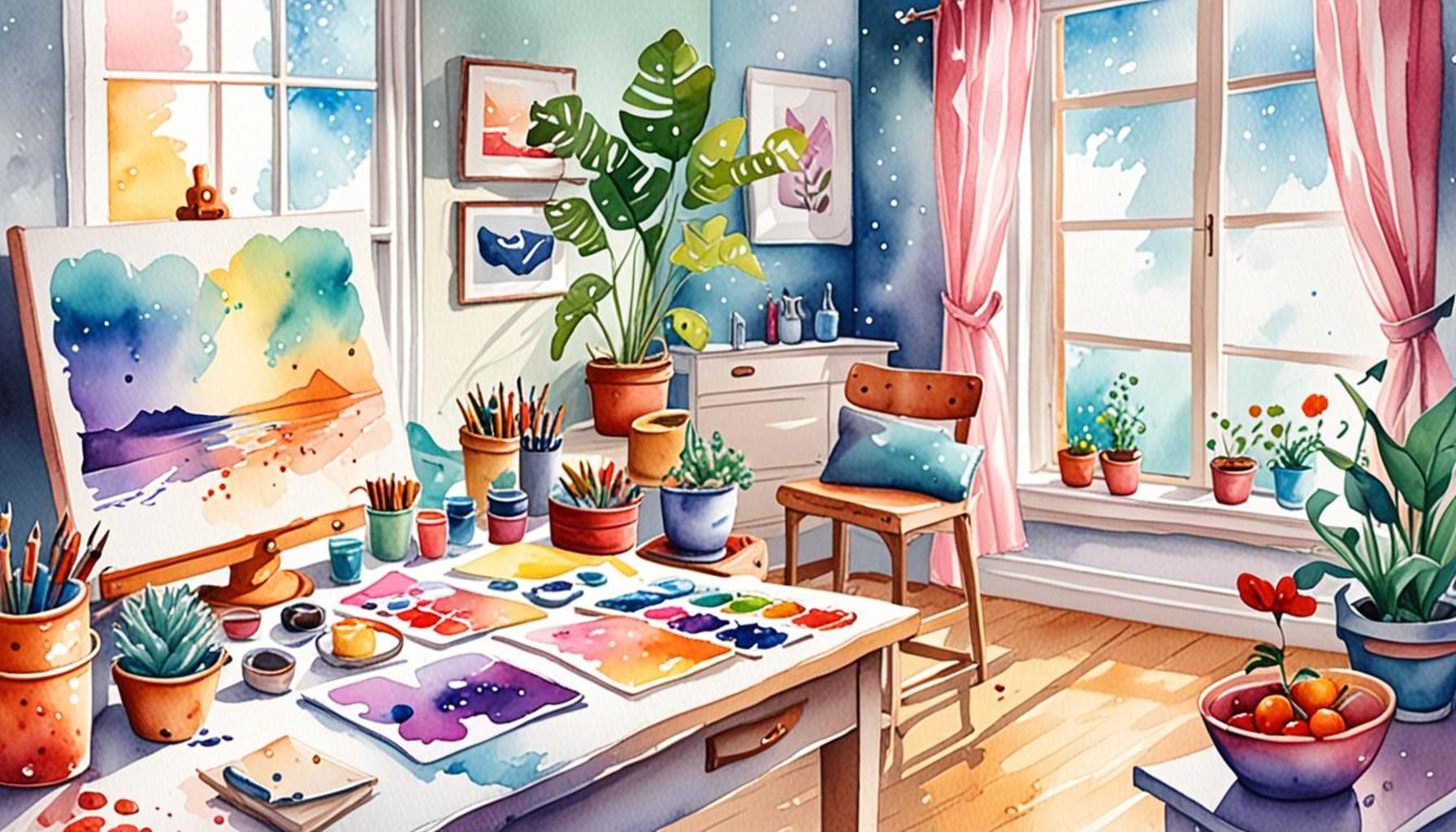
The relationship between individuals and their physical surroundings is a profound one, often acting as a catalyst for creativity. Environments are not merely backdrops; they actively shape our thoughts, feelings, and behaviors. Cities like New York, with their dynamic energy and diversity, can ignite a spark of inspiration, while the calming vistas of the Pacific Northwest provide a soothing backdrop conducive to deep reflection and imaginative thought. Understanding how to harness these environmental elements can be paramount in fostering creativity.
Key Elements of Inspiring Spaces
When designing spaces intended to nurture creativity, several critical elements should be taken into account:
- Natural Light: Adequate exposure to natural light is essential, as it not only enhances mood but also boosts productivity. Studies suggest that workplaces flooded with natural sunlight can increase employee happiness by up to 15%. Think of how the expansive windows in New York loft-style offices allow daylight to fill the room, creating a vibrant atmosphere that stimulates innovative thinking.
- Minimalist Design: Emphasizing simplicity through minimalist design helps reduce distractions. A clutter-free environment directs attention to what truly matters, allowing the mind the freedom to explore uncharted creative territories. Iconic brands like Apple have adopted this philosophy in their product design and office spaces, favoring clean lines and open spaces to promote creativity and efficiency.
- Flexible Workspaces: The ability to modify a workspace is crucial in a world where collaboration and brainstorming sessions are key. Creating environments where furniture can be easily rearranged enables teams to adapt to different types of projects. For example, many tech companies in Silicon Valley incorporate mobile furniture designs that allow for both quiet work and collaborative group sessions, encouraging innovative ideas to flourish.
- Personal Touches: Personalizing a workspace can greatly impact a person’s motivation and inspiration. Items that evoke positive memories or represent personal achievements can infuse energy and excitement into daily tasks. A well-placed photo, a piece of art, or even a plant can nurture a unique connection between an individual and their workspace.
In settings like a home office, co-working spaces, or even local coffee shops, the right environment has the potential to unlock untapped creativity and innovation. Mastering the art of creating conducive spaces isn’t just beneficial; it’s an essential skill in today’s fast-paced world. In future sections, we will delve into practical strategies tailored to designing functional and aesthetically pleasing environments that encourage creative thinking every day.
DIVE DEEPER: Click here to discover more about conscious consumption</p
The Psychology of Space and Its Impact on Creativity
Creating environments that spur creativity involves understanding the psychological underpinnings of how space influences thought processes. Research indicates that our surroundings significantly affect our mood and productivity. For instance, a study published in the Journal of Environmental Psychology found that individuals working in spaces designed with natural elements reported a 15% increase in creativity compared to those in sterile environments. This relationship between space and creative output is not merely anecdotal; rather, it suggests we have a profound ability to shape our thoughts through physical surroundings.
Incorporating Nature and Green Spaces
Integrating elements of nature into workspaces has shown promising results in enhancing creativity and well-being. Biophilic design, which seeks to connect people to nature through natural light, greenery, and organic materials, is becoming increasingly popular among architects and designers. According to a study from the University of Queensland, workplaces with plants can boost employee creativity by up to 45%. Organizations like Google have taken this concept to heart, often incorporating indoor gardens and natural materials into their office designs, providing employees with an uplifting atmosphere that fosters innovative thinking.
Moreover, the use of color psychology cannot be overlooked when crafting spaces that inspire. Colors elicit emotional responses—blue tones can enhance focus, while warmer hues like yellow can spark creativity and energy. Consider how vibrant palettes in workspaces invigorate teams, reminiscent of creative agencies that use bold, unexpected color schemes to energize their employees.
Creating Multi-Sensory Experiences
Another facet of designing inspiring environments includes embracing multi-sensory experiences. By engaging our senses, we can create atmospheres that stimulate different facets of creativity. Here are some practical ideas for fostering a multi-sensory workspace:
- Soundscapes: Ambient sounds or gentle music can significantly enhance focus and inspire creativity. Many co-working spaces have begun offering curated playlists or gentle background noise that helps filter distractions.
- Textural Diversity: Incorporating various textures—soft fabrics, wooden surfaces, or smooth ceramics—can evoke familiarity and comfort. These tactile experiences can lead to a more conducive creative environment.
- Fragrance: The power of scent should not be underestimated. Certain aromas, like jasmine or peppermint, have been shown to stimulate cognitive function and creative thinking. Personalizing a space with individual scents can enhance productivity and inspiration.
As we continue to explore the transformative power of our surroundings, it becomes clear that by actively designing our environments, we can pave the way for creativity to flourish. Whether it’s optimizing natural elements, exploring color and texture, or creating sensory-rich experiences, the possibilities for inspiring spaces are vast and varied.
Exploring the Elements of Inspiring Spaces
When contemplating the spaces that inspire, one must consider the vital components that contribute to a creative environment. Several elements play a crucial role in shaping spaces that not only foster creativity but also enhance productivity. Firstly, lighting can significantly alter the perception and functionality of a space. Natural light has been shown to improve mood and cognition, making it an essential factor in creative settings. Well-placed windows and even skylights create an open atmosphere, allowing ideas to flow freely. Another important aspect is color psychology. Different colors evoke various emotions and behaviors. For instance, shades of blue are often associated with tranquility and focus, while yellows stimulate optimism and creativity. Thus, the choice of color in any space can either enhance or restrain the creative process.Moreover, the arrangement of furniture and objects also contributes significantly to the functionality of a space. An open layout encourages collaboration and communication, essential features for creative brainstorming. Conversely, personal spaces filled with favorite objects can inspire solo creativity and reflection.A further consideration is the use of minimalism. Removing clutter from workspaces can clear the mind, making way for new ideas and preventing distractions. Emphasizing functionality and simplicity in design fosters a sense of calm, enabling creativity to flourish without being impeded by unnecessary items.As we delve deeper into examining these facets of inspiring spaces, the integration of nature, through biophilic design principles, emerges as another crucial factor. Bringing the outside in, with plants and natural materials, can have calming effects while enhancing overall well-being. Each of these aspects interconnects, creating a tapestry of elements that support creative thinking and innovation. By understanding how these components work together, one can design environments that truly inspire creativity and productivity.
| Category 1 | Category 2 |
|---|---|
| Lighting | Natural light boosts mood and enhances cognitive function. |
| Color Psychology | Specific colors influence emotions, energizing or calming the mind. |
| Furniture Arrangement | Open layouts promote collaboration; private spaces enhance reflection. |
| Minimalism | Clutter-free spaces facilitate focus and creativity. |
| Biophilic Design | Integrating nature enhances well-being and inspires creativity. |
LEARN MORE: Click here to dive deeper
Designing Flexible and Collaborative Spaces
In today’s fast-paced work environment, creating spaces that facilitate collaboration and flexibility is essential for enhancing creativity. The traditional layout of isolated cubicles has given way to more dynamic work arrangements that encourage teamwork and idea exchange. Research highlights that environments promoting collaboration can result in a 20% increase in creative output, emphasizing the importance of spatial design in nurturing innovative thought.
The Power of Open Floor Plans
Open floor plans have become popular in modern workspaces, breaking down barriers and fostering communication. However, the effectiveness of open spaces hinges on their implementation. Engaging designs that incorporate varied workstations, such as communal tables, lounge spaces, and informal meeting areas, can inspire spontaneous discussions and encourage collaborative creativity. Furthermore, a Harvard Business Review study found that teams working in open spaces complete tasks faster and engage in more meaningful discussions compared to their counterparts in traditional office setups. Nevertheless, striking a balance is crucial; too much noise and distraction can hinder productivity. Providing designated quiet zones allows individuals to recharge before returning to collaborative efforts.
The Importance of Multi-Purpose Areas
When designing creative environments, the notion of adaptability becomes paramount. Multi-purpose areas can serve various functions depending on the needs of a project or team, further enhancing innovation. Creating spaces that can easily transform from collaborative brainstorming areas to quiet work zones enables organizations to cater to the diverse workflows of their teams. Companies like WeWork have embraced this concept, offering dynamic spaces that are optimally utilized for both individual focus and collaborative teamwork.
- Flexible Furniture: Invest in lightweight, movable furniture that can be easily reconfigured for different activities. This can include modular seating and collaborative whiteboards that encourage brainstorming and creative discussions.
- Tech Integration: Incorporate technology seamlessly into the environment. Smart boards and high-quality video conferencing tools can facilitate remote collaboration, allowing creativity to flow irrespective of physical location.
- Social Hubs: Create areas where employees can relax and engage in casual conversations. Informal interactions often lead to those “aha” moments, sparking unique ideas and furthering creativity.
These innovative designs not only maximize space utility but also inspire a sense of community among team members. When individuals feel connected within their environments, they are more likely to contribute creatively, sharing diverse perspectives that can lead to groundbreaking ideas.
Incorporating Personalization and Expression
Another aspect of creating spaces that inspire creativity is allowing room for personalization and self-expression. When individuals can tailor their workspaces to reflect their personalities, it cultivates a sense of ownership and increases their emotional connection to their work. Simple additions like personal artwork, plants, or unique decorative elements can significantly enhance an individual’s inspiration and motivation levels.
Companies such as Facebook have adopted this ethos, encouraging their employees to personalize their work areas. This approach fosters an environment where creativity can thrive, as individuals feel more comfortable expressing their thoughts and ideas freely. Additionally, dedicated areas for showcasing employee creativity, such as art displays or innovation boards, can further encourage a culture of creative expression.
Ultimately, the process of designing inspiring spaces spans multiple dimensions, intertwining functionality, collaboration, personalization, and sensory engagement to create environments that not only boost creativity but also celebrate it.
DON’T MISS OUT: Click here to unlock the secrets of minimalism
Conclusion: Crafting the Future of Creative Spaces
As we navigate an era where creativity is the keystone of innovation, understanding how to design inspiring spaces becomes pivotal. From flexible workstations that foster collaboration to personalized environments that speak to individual identities, the evolution of workspace design is driving a cultural shift towards creativity-centric models. By breaking down traditional barriers, organizations can cultivate an atmosphere where ideas flourish and collective genius ignites.
Research underscores the necessity of well-thought-out layouts; an increase of up to 20% in creative output validates the impact of collaborative designs. The integration of emerging technologies and adaptable areas further complements this trend, enabling teams to pivot seamlessly between different modes of work. Moreover, when spaces prioritize aesthetics and comfort, they not only keep employees engaged but also serve as a backdrop for spontaneous innovation.
Ultimately, the mantra should be clear: spaces that inspire are those that reflect the dynamic needs of their occupants. Companies that invest in such environments tap into a rich resource of creativity, resulting in bold ideas and transformative outcomes. As the landscape of work continues to evolve, prioritizing the creation of simple yet functional environments is not just wise—it’s essential. The journey toward unlocking creativity through thoughtfully designed spaces is just beginning, and its potential is boundless.