Transform Your Space Minimalism for Daily Efficiency Boost
Transform Your Space with Minimalism
In today’s fast-paced world, the need for clarity and organization in our living and working environments has never been more crucial. The minimalism movement embraces simplicity, emphasizing the elimination of excess to create a more focused lifestyle. Adopting this philosophy can significantly enhance your efficiency by decluttering not just your space, but also your mind.
Many people underestimate the impact that an organized environment can have on productivity and well-being. By stripping away distractions and unnecessary items, we can unlock a sense of freedom and creativity that fosters greater achievement in our daily tasks. As you explore this article, you’ll discover the Top 5 ways minimalism can transform your space and lead to an impressive boost in efficiency.
- Elimination of distractions
- Improved focus and clarity
- Enhanced creativity
- Optimized time management
- Increased personal satisfaction
Join us as we delve into the essentials of minimalism and how it can facilitate a more streamlined and productive lifestyle.
Top 5: How Minimalism Can Transform Your Space and Boost Daily Efficiency
In the whirlwind of modern life, where every moment seems to be filled with an endless to-do list, the allure of minimalism shines brighter than ever. As a lifestyle and design philosophy, minimalism emphasizes removing the non-essential to create an environment of simplicity and purpose. This approach can ripple positively across all facets of your life, enhancing both mental and physical spaces. So why should you consider incorporating minimalism into your daily routine? Here are five compelling reasons.
5. Less Clutter, More Clarity
The journey to a minimalist lifestyle begins with the most immediate and visible benefit: a reduction in clutter. This transformation isn’t just about tidying up your physical space; it’s fundamentally about creating a mental environment conducive to clarity and focus. A cluttered room can often resemble a cluttered mind, with distractions at every turn, making it difficult to concentrate on what truly matters.
- Improved Focus: With fewer objects demanding your attention, distractions fade away, allowing you to hone in on your priorities and enhance your work or personal projects.
- Better Decisions: By paring down options, you streamline decision-making processes, leading to less stress and more efficient outcomes.
- Enhanced Creativity: When your surroundings are clean and organized, there’s more mental space for innovative ideas and creative thinking, which can inspire new projects and solutions.
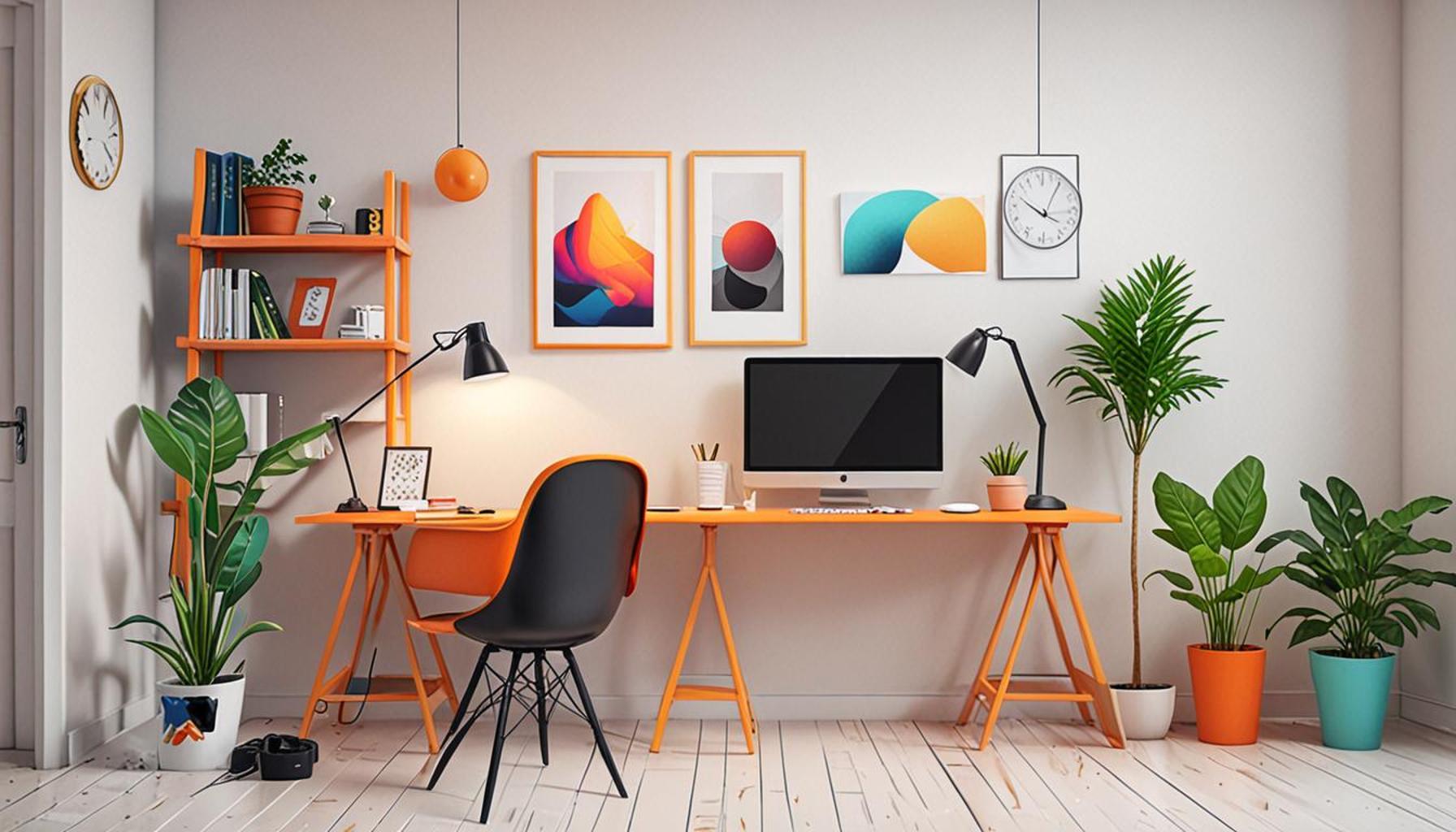
Consider this: a desk with just the essentials—a notebook, a pen, a lamp—invites clarity of thought far more effectively than one crowded with papers and miscellaneous items.
4. Enhanced Aesthetics and Peacefulness
Beyond functionality, minimalism is deeply rooted in aesthetics that evoke peace and tranquility. This isn’t merely about having less but about curating a space that feels open, calm, and welcoming. The notion that an environment can influence mood and behavior is well-documented, and a minimalist space aims to foster a sense of serenity.
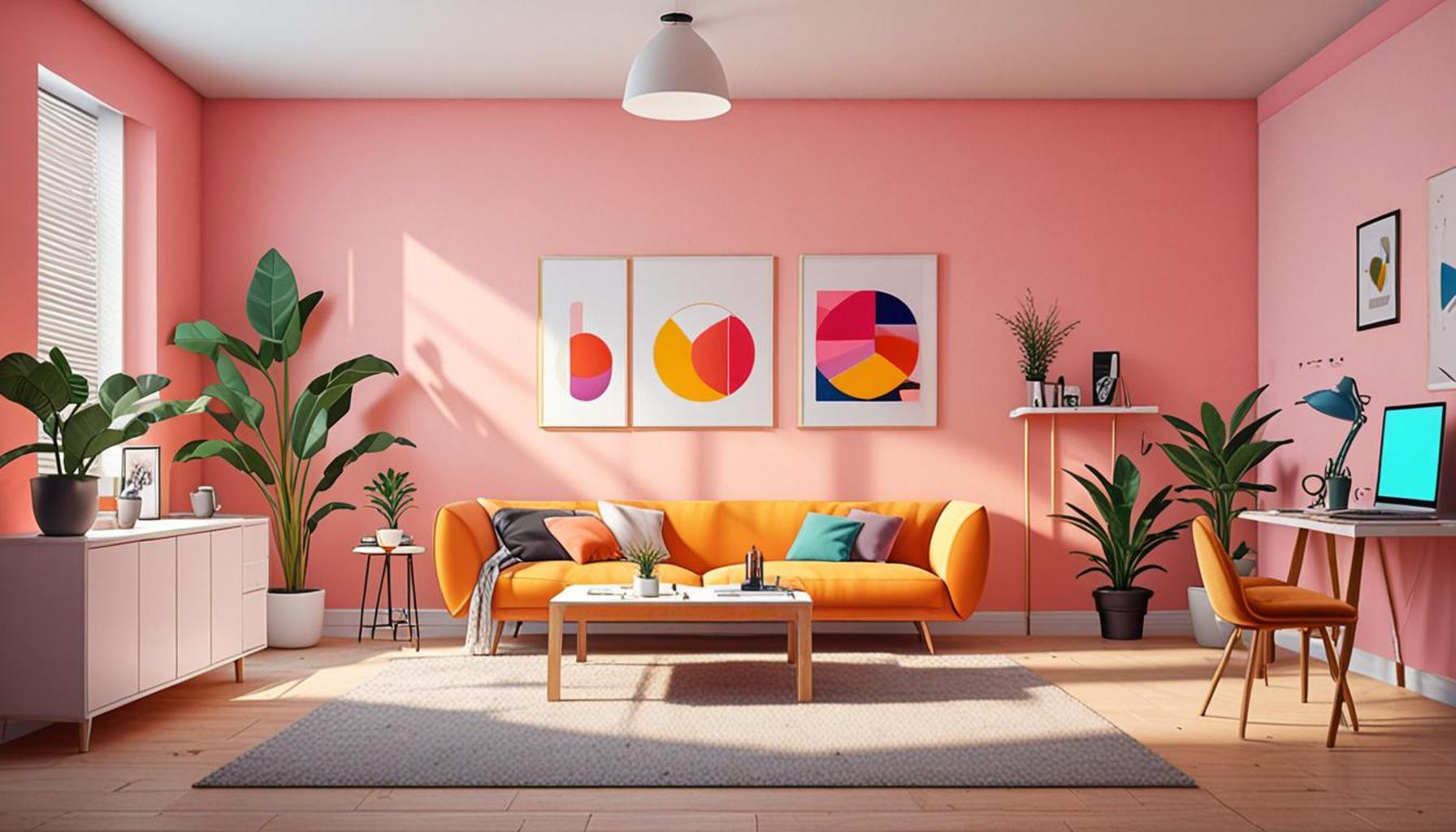
Imagine entering a living room featuring a simple monochromatic palette, natural textures, and only the most essential furnishing. This type of environment not only relaxes the mind but encourages you to maintain its orderliness, reinforcing habits of cleanliness and discipline.
By eliminating visual clutter and opting for a pure, cohesive design, you can create a space that soothes the senses, offering a haven from the chaos outside.
3. Streamlined Daily Routines
A pivotal aspect of minimalism is its potential to streamline daily routines. When every item has a designated space and purpose, you reduce the time spent searching through belongings and increase the time spent on truly valuable activities. This process encourages introspection about your daily habits and how to optimize them for efficiency.
- Organized Zones: Defining specific areas for activities like work, rest, and eating not only enhances your productivity but also helps in mentally shifting between tasks and time slots.
- Everyday Essentials: Keeping regularly-used items within reach is a cornerstone of efficiency, minimizing unnecessary searching and promoting a smooth flow of activities.
- Habit Formation: Consistent practices, such as tidying up before bed, reinforce a sense of discipline and contribute to the overall efficiency of your daily life.
Deploying these strategies can significantly cut down the time you spend navigating your day, leaving more room for activities that truly engage and fulfill you.
2. Increased Savings and Sustainability
Minimalism inherently encourages mindful consumption. The less-is-more philosophy naturally leads to fewer purchases, which often translates into financial savings. By focusing on quality over quantity, you reduce the inclination to buy items on impulse, thus preserving resources and money.
Moreover, this mindful consumption extends beyond personal gain. It’s an ecological decision too. Reduced consumption means less waste and a lower carbon footprint, aligning your lifestyle with environmentally sustainable practices.
Your contribution to sustainability becomes part of a larger commitment to fostering a healthier planet for future generations. This intentional living may encourage you to support brands and products that emphasize sustainability, furthering the global shift toward more eco-friendly practices.
1. Intentional Living and Personal Growth
At its heart, minimalism is a commitment to living intentionally — it urges you to evaluate and prioritize the elements that bring genuine value to your life. This shift in mindset can usher in profound personal growth, moving you toward a life lived with purpose rather than one dictated by societal expectations or habits.
- Self-Discovery: When you focus on what truly matters, you engage in a journey of self-discovery that reveals deeper insights about your passions and aspirations.
- Productivity Boost: Prioritizing meaningful tasks heightens your productivity and fulfillment. By allocating your energy toward what aligns with your values, you work more effectively.
- Community Connection: Embracing this lifestyle often connects you with like-minded individuals who support and inspire your journey, creating a sense of community and shared purpose.
Minimalism isn’t a rigid set of rules; it’s a flexible and personal journey toward living a life that resonates with your values and desires. As you start this journey, you may find opportunities for personal development and enhanced satisfaction, paving a path to a life enriched through simplicity.
In conclusion, incorporating minimalism into your life offers numerous benefits, from reducing mental and physical clutter to fostering a sustainable, intentional lifestyle. By embracing this transformative mindset, you unlock the potential to live in a space—and a world—that reflects your truest self. So, are you prepared to embark on this minimalist journey and explore the potential for profound change in your daily existence?
| Category | Benefits |
|---|---|
| Decluttering | Removing unnecessary items fosters a sense of calm and reduces distractions, allowing for enhanced focus and creativity. |
| Functional Spaces | Designing areas with specific purposes can lead to increased productivity and better time management by eliminating friction in daily tasks. |
| Simplicity in Design | A minimalist aesthetic creates a visually cohesive environment, which can promote relaxation and enhance overall well-being. |
| Sustainable Choices | Minimalism encourages the use of quality over quantity, leading to sustainable consumption practices that contribute positively to the environment. |
Exploring these categories reveals the transformative power of minimalism in both physical and psychological spaces. Each element contributes to creating an atmosphere that not only promotes efficiency but also nurtures a sense of peace and clarity. The act of decluttering resonates deeply; it’s not merely about discarding objects but also about liberating the mind from the chaos of modern consumerism. By embracing functional spaces, one can revolutionize how everyday tasks are approached. When a workspace is tailored for specific functions, the flow of activities becomes seamless, reducing time wasted in transitions and enhancing focus on essential tasks. This optimization can significantly impact individual productivity levels.In terms of aesthetics, minimalism offers more than just a clean look; it provides a therapeutic environment. The psychological effects of a well-organized space can uplift spirits, as brightened areas promote alertness and vitality. The clever use of light and color in minimalist design can lead to a rejuvenating experience that nurtures mental health.Lastly, the commitment to sustainable choices in minimalism cannot be overlooked. In a world where environmental concerns are paramount, transitioning to a minimalist lifestyle often aligns with more conscious consumer behavior, enabling individuals to make better choices that respect both personal well-being and planetary health. The focus on essential items not only clears the space but also revitalizes our relationship with material possessions, prompting further investigation into sustainable alternatives.
Frequently Asked Questions about Minimalism in Your Space
What is minimalism and how can it transform my space?
Minimalism is a lifestyle choice that emphasizes simplicity by reducing clutter and focusing on what truly matters. By adopting minimalism in your space, you can create an environment that is both calming and efficient. With fewer distractions, your mind can focus better, and you can increase your daily productivity. This approach often leads to a more aesthetically pleasing and functional living or working area.
How does minimalism affect daily efficiency?
Adopting a minimalist approach can significantly boost your efficiency by minimizing time spent on unnecessary tasks. A clutter-free environment allows for better concentration and faster decision-making. Moreover, being organized means you spend less time looking for things, which provides more time to focus on daily priorities and goals. Research has shown that a clean and simple space can lead to improved productivity and less stress.
What are some initial steps to start incorporating minimalism?
Begin your journey into minimalism by first assessing your belongings and identifying what truly adds value to your life. Decluttering is a key step; consider donating or selling items you no longer need. Next, organize your space to ensure that it is functional and contains only essential items. As you proceed, continually evaluate and refine your belongings and layout to align with minimalist principles.
Can minimalism improve mental health?
Yes, adopting minimalism can positively impact mental health by reducing stress and anxiety. A simplified, organized space can create a sense of peace and control, making it easier to relax and focus on what’s important. Studies suggest that living with less can enhance mental clarity and improve overall well-being.
Is minimalism sustainable in the long term?
While adopting minimalism might initially seem challenging, it can be sustainable with practice and commitment. The key is to be mindful and intentional about what you bring into your space over time. By sticking to the principles of minimalism, many people find it not only sustainable but also a rewarding lifestyle that enhances their quality of life.
Conclusion: Embracing Minimalism for a Transformative Lifestyle
The essence of minimalism is to strip away the non-essentials and make way for what truly matters. By adopting a minimalist approach, individuals can significantly transform their living spaces and enhance daily efficiency. Throughout this exploration, we have emphasized the profound impact that a decluttered environment can have on a person’s mental clarity and productivity.
Main Takeaways
- Minimalism encourages intentional living, allowing individuals to focus on what is truly meaningful by eliminating unnecessary items.
- By simplifying home environments, there is a noticeable increase in mental clarity and reduction in stress levels.
- This lifestyle shift often leads to improved productivity and efficiency in daily activities due to fewer distractions.
- Adopting minimalism can foster a heightened appreciation for quality over quantity, ultimately enriching one’s life experiences.
- A minimalist mindset is not just about physical decluttering; it also promotes the streamlining of one’s schedules and responsibilities to achieve a balanced life.
As more individuals strive for balance in the face of today’s fast-paced world, minimalism offers a compelling approach to achieve peace and efficiency. It is not only about creating a clean space but also about cultivating a mindset that values purpose over material possessions. By incorporating these principles into everyday life, one can realize a more fulfilling and sustainable way of living. Whether you choose to embark on this journey immediately or gradually, the potential benefits make it an inspiring path worth considering.