
How Minimalism Can Transform Your Space into an Efficient Work Environment
Transform Your Workspace
In today’s fast-paced world, the presence of clutter can easily stifle creativity and hinder productivity. Embracing a minimalist approach transforms your work environment, allowing for a clearer mind and improved efficiency. The minimalist philosophy encourages not just a clean space but a purposeful one, where only essentials are kept at hand, ensuring that distractions are minimized.
Consider the following benefits of minimalism in your workspace:
- Reduced Distractions: A clean and tidy environment helps maintain focus. Studies show that a cluttered desk can affect your ability to concentrate, as your brain struggles to organize competing stimuli, making it harder to focus on the task at hand.
- Enhanced Organization: Fewer items mean easier access to essential tools and documents. When there are limited items around, locating important files or equipment becomes a quick and seamless process, allowing you to devote more energy to your work.
- Improved Aesthetics: A minimalist design promotes tranquility and inspires creativity. Work environments with fewer distractions often lead to a more enjoyable work experience, with elements like clean lines, simple color palettes, and natural light inviting focus and innovation.
The core principle of minimalism is to eliminate the unnecessary, revealing what truly matters. This shift not only alters physical spaces but also brings about substantial improvements in mental clarity. Research from psychology suggests that an orderly environment can lead to enhanced cognitive abilities, including better problem-solving skills and increased overall well-being.
By simplifying your surroundings, you open up opportunities for better time management and task prioritization. Moreover, minimalist workspaces tend to offer:
- More Space: This creates room for innovative thinking and collaboration. With a clear desk, you might find yourself more inclined to brainstorm and share ideas with colleagues, potentially leading to fruitful partnerships.
- Lower Stress Levels: A serene environment reduces anxiety and fosters a positive mindset. In high-stress professions, creating a calm workspace can be a vital step towards maintaining mental health and overall job satisfaction.
- Cost Efficiency: Investing in fewer, high-quality items can save money in the long run. By prioritizing durable furniture or efficient tech tools, businesses and individuals can slash unnecessary expenditures and focus funds on what truly elevates their work.
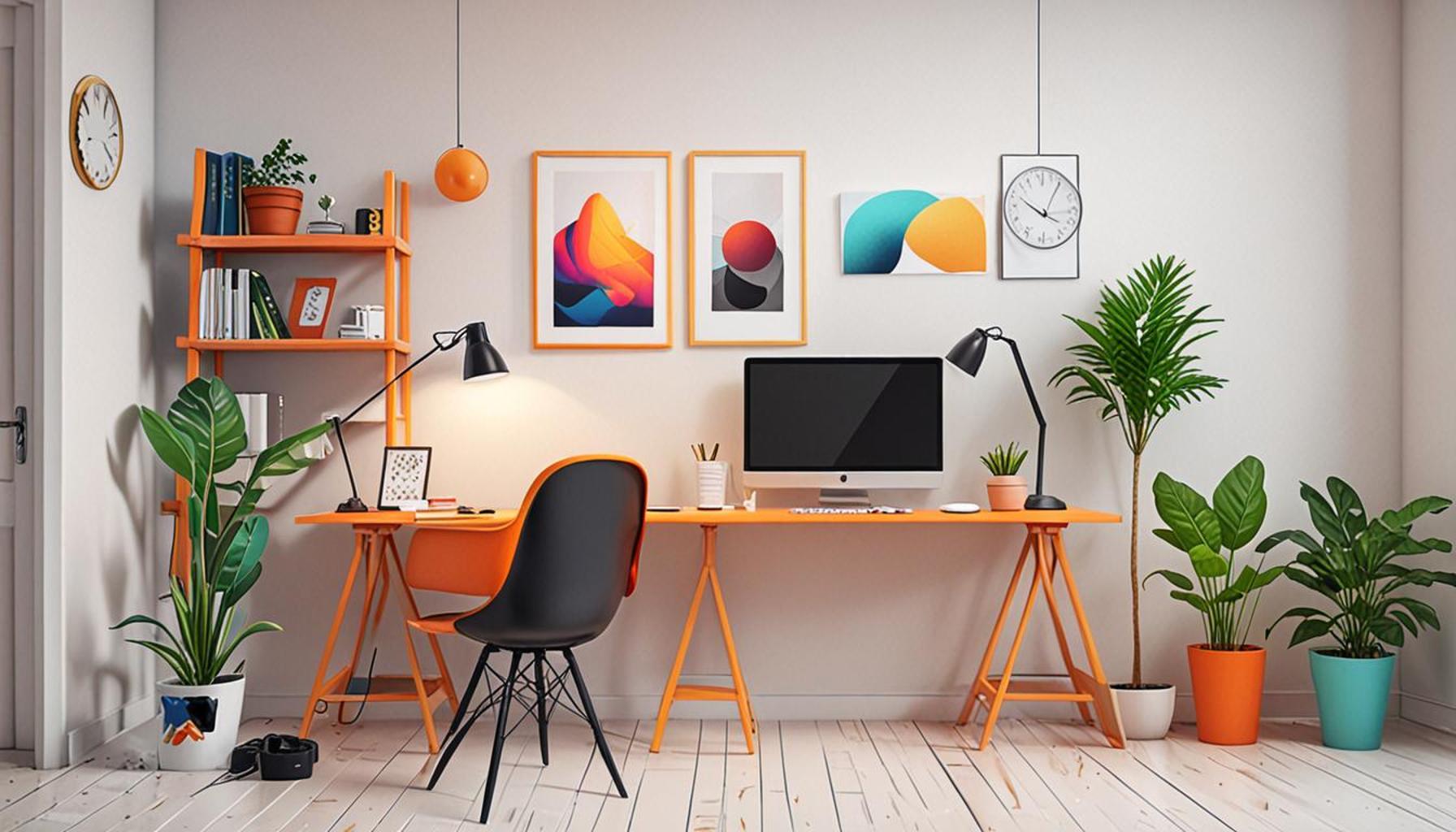
As you explore the principles of minimalism, consider how these concepts can be integrated into your workspace. This journey begins with the conscious decision to simplify your surroundings. Imagine replacing a cluttered desk with a streamlined setup that includes only the tools that you need, like a high-quality monitor for remote work, a comfortable ergonomic chair, and a few inspiring art pieces that spark joy rather than distraction. The decision to minimize can not only revitalize your physical workspace but also invigorate your creative spirit, leading to a more productive and fulfilling work life.
Dive deeper: Click here to discover effective strategies
Creating a Purposeful Workspace
Minimalism in the workplace extends beyond merely decluttering; it signifies a reshaping of your entire approach to work. When you opt for a minimalist design, you’re not just enhancing your surroundings but also instilling a culture of efficiency and focus. The essence of minimalism is grounded in intentionality, which prompts you to reconsider what you truly need in your space. This can be particularly powerful in a professional setting, where every minute counts and distractions can come from various angles—from the physical environment to the digital clutter of notifications and unnecessary apps.
To successfully implement minimalism in your workspace, consider these practical tips that can lead to a more efficient work environment:
- Declutter Regularly: Schedule routine decluttering sessions to keep your workspace free from unnecessary items. This includes eliminating outdated documents, broken tools, or decorative items that do not serve a purpose. A clean desk can significantly elevate your ability to focus and maintain productivity throughout your day.
- Prioritize Essential Tools: Evaluate the items you use daily and categorize them as essential or non-essential. Make it a goal to keep only those tools and resources readily available that directly contribute to your work objectives. Consider adopting a “one in, one out” rule—when you bring in something new, something old must go.
- Optimize Digital Spaces: Digital clutter can be just as distracting as physical clutter. Take the time to organize your computer desktop, clean up your email inbox, and detach from applications that do not support your current projects. The less visual stimuli you have competing for your attention, the more focused you will remain.
Moreover, research by the American Institute of Stress indicates that a clutter-free workspace can significantly reduce stress levels, allowing for clearer and more creative thinking. This is particularly relevant in the United States workplace culture, where employees are often faced with demanding workloads and tight deadlines. A minimalist workspace can facilitate a sense of calm and control, empowering individuals to handle challenges more effectively.
As you transition into minimalism, envision how you can design your workspace to promote productivity. For instance, consider adopting multi-functional furniture, such as desks that can accommodate standing or sitting positions, which can enhance not only space efficiency but also well-being and energy levels. Incorporating elements like biophilic design—bringing nature indoors through plants—can enrich your work environment while maintaining a minimalist ethos. The natural elements have been shown in studies to improve mood and cognitive function, further contributing to an efficient workspace.
In the end, the key to a successful minimalist workspace lies within a holistic philosophy that extends beyond organizational skills. By prioritizing cleanliness, functionality, and intentional design, you transform your environment into one that stimulates focus, engagement, and satisfaction. Embrace minimalism today and watch as your work environment evolves into a space that fosters productivity and innovation.
Decluttering: The Path to Enhanced Productivity
One of the core principles of minimalism is decluttering. By removing unnecessary items from your workspace, you not only create a visually appealing environment, but you also eliminate distractions that can hinder your focus. A clean desk can lead to a clearer mind, allowing for improved concentration on tasks at hand. Research suggests that individuals in tidy environments are more productive and less stressed, paving the way for enhanced efficiency.
The Role of Color and Lighting
Another aspect of minimalism is its emphasis on color and lighting. A minimalistic workspace often features a muted color palette that promotes calm and focus. Soft whites, greys, and pastels can create an inviting atmosphere conducive to work. Coupled with natural lighting, which is shown to boost mood and energy, this approach encourages longer and more productive working hours. By integrating natural elements, your workspace not only looks appealing but also feels rejuvenating.
Versatile Furniture: Function Meets Form
Minimalism champions functionality through versatile furniture. Multi-functional furniture items like a desk that transforms into a standing desk or storage solutions that double as seating allow for a more flexible workspace. This adaptability caters to your workflow, enabling transitions between tasks throughout the day seamlessly. Such thoughtful design not only conserves space but also fosters a more efficient working environment, maintaining a balance between style and utility.
| Category 1 | Category 2 |
|---|---|
| Decluttering | Creates visual clarity and reduces distractions. |
| Color and Lighting | Promotes calm, boosts mood, and enhances productivity. |
| Versatile Furniture | Combines style with functionality for effective workflow. |
Mindfulness and Minimalism
Incorporating mindfulness into your workspace through minimalist principles can transform your daily routine. By embracing practices that encourage focus and intentionality, you create a workspace where distractions are minimized. This leads to a heightened sense of awareness, allowing you to engage fully with your tasks. Mindfulness promotes better decision-making and fosters creativity, turning your workspace into a hub of inspiration and efficiency.
DISCOVER: Click here to delve into the power of simplicity
Enhancing Focus Through Design Choices
Once you’ve established a baseline of decluttered and prioritized essentials in your workspace, the next step in the minimalist journey involves enhancing focus through strategic design choices. A minimalist environment is characterized not just by simplicity but by a thoughtful balance of aesthetic and functionality that encourages concentration. The American Psychological Association highlights that an organized environment can significantly improve cognitive performance. Delving deeper into how to shape your workspace can lead to myriad benefits in productivity and mental clarity.
A key aspect of minimalism is utilizing colors and lighting that foster focus. For instance, studies show that blue hues can stimulate creativity and promote a sense of calm, while green tones are associated with improved concentration. You might consider painting your workspace walls in these colors or using decor that incorporates them. Additionally, optimizing natural light is essential; research indicates that exposure to daylight positively affects mood and cognitive function. Position your desk near a natural light source if possible, and keep window treatments simple to maximize exposure.
Furniture arrangement plays a pivotal role in creating a functional work environment. The layout should facilitate movement and promote an uncomplicated workflow without obstruction. Employing an open design encourages collaboration and communication while minimizing the physical and mental barriers that can impede focus. Furthermore, choosing ergonomic furniture—lightweight desks, adjustable chairs, and clear pathways—can lead to improved comfort and reduced fatigue, enhancing your overall productivity.
Incorporating technology mindfully is another vital facet of a minimalist workspace. In an age where remote work is prevalent, it’s easy for technology to overwhelm us. Assess the tech tools at your disposal and ensure they align with your work goals. For instance, integrate a single task management software that keeps your workload organized rather than juggling multiple platforms that clutter your digital life. Opt for a clean desktop wallpaper free of distractions, reinforcing a streamlined approach to digital information consumption.
Moreover, the principles of minimalism can extend to your time management strategies as well. Embrace the Pomodoro Technique, which emphasizes focused work sessions followed by short breaks. This method not only enhances productivity but also encourages intentional breaks that spark creativity. As the work environment becomes decluttered, so too can your schedule. Evaluate your commitments critically, ensuring that only the most relevant tasks take precedence.
Minimalism within your work environment transcends mere aesthetics; it fundamentally reshapes your approach to productivity. By creating a workspace designed for focus—highlighted through color, optimal layout, mindful technology, and effective time management—you empower yourself to excel in your professional pursuits. As experts suggest, the correlation between a minimalist workspace and enhanced focus is not just theoretical; it’s a transformative practice that can redefine your work life in meaningful ways. This is especially pertinent in the United States, where the contemporary work culture increasingly values efficiency and performance.
DIVE DEEPER: Click here to discover effective strategies
Conclusion: The Power of Minimalism in Your Workspace
In conclusion, adopting a minimalist approach to your workspace can significantly transform not only your physical environment but also your mental state and productivity levels. The essence of minimalism lies in the thoughtful curation of your surroundings—by eliminating distractions and focusing on essentials, you cultivate a space that is not only aesthetically pleasing but also conducive to enhanced focus and efficiency.
From utilizing calming colors and optimizing natural lighting to thoughtfully arranging furniture and incorporating technology mindfully, each design choice contributes to a streamlined workflow. This intentionality minimizes cognitive overload and supports a clearer mindset, essential for tackling complex tasks. Furthermore, embracing time management techniques like the Pomodoro Technique complements the minimalist philosophy, as it encourages periods of concentrated work followed by rejuvenating breaks.
As we navigate an increasingly complex work culture, especially in the United States, the call for efficiency and clarity is more crucial than ever. A minimalist workspace not only aligns with this demand but also fosters a sense of well-being, creativity, and focused productivity. By rethinking your work environment and consciously embracing minimalism, you can pave the way for a more fulfilling and effective professional life.
Ultimately, the journey towards minimalism is not just about physical decluttering; it’s an invitation to explore a more profound way of living and working that harmonizes with your values and goals. As you embark on this transformative path, remember that the impact of a well-structured, minimalist space can resonate far beyond your desk, enriching every aspect of your work experience.