
Effective Strategies to Reduce Clutter in Small Spaces
Introduction
In a world where space is becoming increasingly limited, the challenge of reducing clutter in small environments has never been more pertinent. The rise of minimalism showcases a profound shift in how individuals perceive material possessions, emphasizing the importance of personal organization as a means to achieve mental clarity and tranquility. Navigating small spaces requires innovative strategies that not only enhance functionality but also promote a more serene living atmosphere.
Understanding how to manage your belongings effectively can lead to a smoother and more enjoyable daily life. Adopting the principles of minimalism can be an enlightening journey that encourages us to re-evaluate what truly matters. By implementing practical strategies, you can transform your surroundings into an oasis of order and efficiency.
What to Expect
This article will explore the Top 5 effective strategies for tackling clutter in small spaces, providing you with valuable insights and tools to embrace a more organized lifestyle. From creative storage solutions to mindset shifts, these strategies will pave the way for a more simplified living experience. Let’s dive into the world of minimalism and discover how decluttering can change not only your space but also your perspective on life.
Top 5 Strategies to Reduce Clutter in Small Spaces
Living in a small space can feel overwhelming. Clutter often creeps in unnoticed, transforming an otherwise cozy corner into a chaotic environment. The implications of clutter extend beyond aesthetics, affecting mental clarity and overall well-being. However, with the right strategies, eliminating clutter in small spaces becomes not only feasible but also rewarding. Let’s delve deeper into the top five effective strategies to successfully reclaim your space.
5. Embrace Multifunctional Furniture
In tiny homes or apartments, every inch counts; therefore, investing in multifunctional furniture is key. Not only does it save space but it also maximizes functionality, crafting a dynamic living area. Ever considered a desk that morphs into a dining table or a bed with embedded storage drawers? These are modern miracles for compact living.
The beauty of multifunctional furniture lies in its ability to cater to various needs without additional spatial requirements. Here’s a deeper look at the benefits of these adaptable pieces:
- Space Saving: Less furniture translates to a more navigable living area.
- Versatile Design: These pieces often boast sleek designs that seamlessly blend into any setting.
- Enhanced Style: Beyond practicality, multifunctional furniture often stands out as a stylish centerpiece.
The transformation brought about by such innovative furniture is tangible, making it a best-choice strategy for effectively decluttering small spaces.
4. Use Vertical Space Wisely
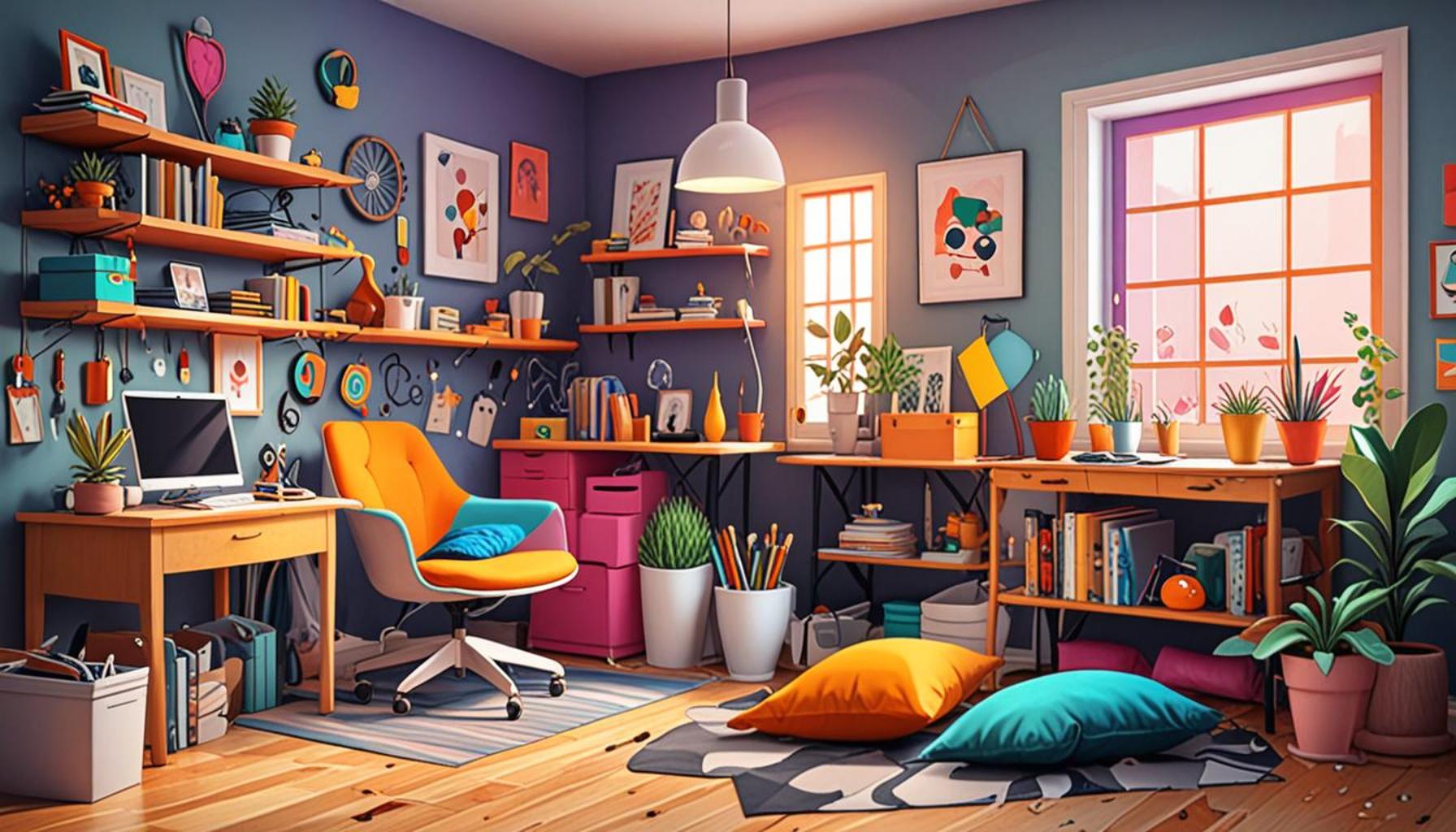
Another underutilized realm in many homes is vertical space. By thinking vertically, you unlock new pathways for storage and organization. Instead of spreading outward, go upward. Vertical storage solutions offer elegant solutions through wall shelves, hanging organizers, and taller furniture.
Optimizing vertical space doesn’t just free up the floor but also allows you to display items creatively:
- Wall Shelves: Ideal for books, curios, and even small plants, adding both function and charm.
- Hooks: Strategically placed hooks can hold everything from keys to kitchen utensils.
- Baskets: Aesthetic and functional, hanging baskets can store miscellaneous items while adding texture to your decor.
The vertical approach can breathe fresh life into a room that feels short on square footage, and it also makes cleaning more manageable, maintaining a tidy and organized appearance.
3. Implement a “One In, One Out” Rule
The “One In, One Out” rule invites mindfulness into your home. It’s a simple principle with profound impact: introduce a new item only when you are willing to part with an existing one. This rule encourages a sustainable lifestyle and curbs impulsive purchases.
The benefits of adopting this rule extend beyond mere decluttering:
- Mindful Consumption: This approach necessitates considering your purchases, leading to more thoughtful, intentional living.
- Steady Decluttering: Gradually, yet consistently minimizes clutter without overwhelming decluttering sessions.
- Emotional Detachment: Promotes a healthier relationship with possessions, focusing on necessity over attachment.
Implementing this rule sets a rhythm to your organizing efforts, ensuring that clutter remains a thing of the past.
2. Create Designated Spaces for Items
Introducing designated spaces for items revolutionizes how organization is perceived in small spaces. Imagine a home where everything resides in its rightful place, significantly reducing the chances of misplacement or clutter accumulation. This concept fosters routine and promotes a structured environment.
Employ these practical tips to define your spaces effectively:
- Use Clear Containers: Transparent containers help identify contents immediately, aiding in quick retrieval and return.
- Categorize: Organize items by theme, purpose, or frequency of use to enhance accessibility.
- Label Storage: Labels provide clarity and prevent disarray, ensuring each item has a fixed abode.
By establishing clear, defined spaces, not only will everyday operations become smoother, but maintaining an orderly home becomes almost second nature.
1. Adopt a Minimalist Mindset
The centerpiece to banishing clutter from small spaces is embracing a minimalist mindset. This philosophy isn’t about deprivation; it’s about recalibrating priorities and shifting focus towards valuing experiences over material possessions. By paring down belongings to those essential for comfort and happiness, ultimate simplicity is achieved.
Key principles of minimalism include:
- Quality Over Quantity: Choose fewer, higher-quality pieces that add value and joy to your life.
- Intentional Living: Focus on what holds genuine importance, and learn to let go of excess baggage.
- Clarity and Serenity: A decluttered environment often equates to a decluttered mind, offering peace and focus.
Adopting minimalism serves as both a practical strategy and philosophical outlook, guiding you to a clutter-free, enriched lifestyle. Take these strategies to heart, and transform your small space into a sanctuary of simplicity and serenity.
| Category | Details |
|---|---|
| Smart Furniture | Smart furniture integrates functionality and style, providing practical solutions such as beds with storage, or tables that can expand when guests arrive, thus maximizing space efficiency. |
| Vertical Storage | Utilizing vertical storage options, like hanging shelves and wall-mounted cabinets, allows homeowners to take advantage of unlimited wall space, reducing clutter on floor areas. |
| Multi-Functional Rooms | Designing multi-functional rooms accommodates various activities without compromising comfort, turning a single space into a living room, workplace, and dining area according to need. |
| Decluttering Techniques | Implementing decluttering techniques, such as the “one in, one out” rule, encourages maintaining an organized environment by ensuring that for every new item brought in, one item must be removed. |
In small spaces, where every square inch counts, the integration of smart designs and innovative strategies is paramount. The idea behind smart furniture hinges on the belief that furniture should not only be aesthetically pleasing but also serve a practical purpose. By opting for furniture that includes hidden storage, such as ottomans or coffee tables with compartments, one can keep essentials close at hand without compromising space.Moreover, vertical storage is another paradigm shift in small space management. Unlike traditional horizontal setups that consume precious floor space, vertical solutions allow areas to remain open and inviting, thus creating an illusion of more room. Decorative wall shelves not only enhance the visual appeal but also offer excellent utility for books, plants, or decorative items.When it comes to functionality, the concept of multi-functional rooms stands out significantly. The trend is moving toward designs that embrace versatility, making it possible for a room to serve multiple purposes throughout the day. This is particularly useful in urban settings, where space can be limited, and flexibility becomes essential.Lastly, decluttering techniques are vital for maintaining order in small environments. By adhering to simple rules like “delete” or minimize possessions regularly, individuals can create a serene space that promotes wellness and functionality. This is not just about tidiness; it’s about creating a sustainable lifestyle that prioritizes conscious consumption and organization.
FAQs on Effective Strategies to Reduce Clutter in Small Spaces
What are the fundamental principles of decluttering in small spaces?
The core principles of decluttering in small spaces include prioritizing multifunctional furniture, utilizing vertical storage, and maintaining a consistent routine of organization. It’s crucial to categorize belongings and to adopt a “one in, one out” policy to avoid accumulating unnecessary items. Additionally, consistently evaluating which belongings are truly essential helps maintain a clutter-free environment.
How can vertical space be maximized effectively?
Maximizing vertical space involves incorporating shelves, hooks, and hangers to utilize wall space efficiently. Consider using tall bookcases and cabinets that reach the ceiling, providing ample storage without encroaching on floor space. Another trick is to install pegboards for customizable storage solutions. This practice not only organizes items but also keeps them within arm’s reach when needed.
What storage solutions work best for small areas?
In small spaces, multifunctional and compact storage solutions are ideal. Think of items like ottomans with storage compartments, under-bed boxes, and modular furniture that adapts to changing needs. Clear containers and labels can also simplify finding and storing items, reducing the time spent searching for specific things.
How can one maintain a clutter-free environment consistently?
Consistency in maintaining a clutter-free space is achieved by setting regular decluttering schedules. Daily habits such as dedicating a few minutes to tidying up can prevent clutter from building up. It also helps to have a designated spot for each item, making it easier to find things and return them after use.
Are there psychological benefits to reducing clutter in small spaces?
Absolutely. A clutter-free environment can lead to increased productivity, reduced stress, and improved mental clarity. The presence of clutter has been linked to feelings of anxiety, so maintaining a neat space can promote a more serene and focused mindset. This is particularly valuable in small spaces where clutter can quickly feel overwhelming.
Conclusion: Effective Strategies for Decluttering Small Spaces
In the modern pursuit of minimalism and personal organization, small spaces often present unique challenges, but they also offer significant opportunities. Our exploration of effective strategies to reduce clutter in these confined environments highlights several pivotal insights.
Key Takeaways
- Prioritization and Purpose: Understanding what items hold true significance is key. Identifying essentials and eliminating the unnecessary is the foundational step towards a clutter-free life.
- Creative Storage Solutions: Small spaces demand innovative storage tactics. Utilizing vertical storage, multipurpose furniture, and hidden compartments not only saves space but enhances aesthetic appeal.
- Routine Maintenance: Consistency in keeping order is crucial. Regularly scheduled tidying sessions prevent the accumulation of clutter and promote ongoing organization.
- Mindful Consumption: Adopting a mindset that discourages excessive acquisition can significantly reduce clutter. This involves making thoughtful purchasing decisions and favoring quality over quantity.
- Personalized Systems: Tailoring organizational systems to fit individual lifestyles ensures that they are both practical and sustainable.
The importance of these strategies extends beyond aesthetics—they contribute to a more peaceful and efficient living environment. Embracing these principles not only aids in the physical organization but also promotes mental clarity and well-being. Small spaces, when managed properly, offer a profound sense of satisfaction derived from simplicity and purpose.
The journey towards a clutter-free space is an ongoing process that requires commitment and adaptability. While these strategies provide a strong foundation, the real transformation lies in maintaining a conscious approach to living spaces. This commitment to minimalism and organization can lead to a deeper exploration of personal values and enhance one’s quality of life.