
Practical Strategies to Reduce Clutter at Home and Work

Understanding the Impact of Clutter
Clutter can subtly infiltrate our living and working spaces, leading to a myriad of challenges that extend far beyond mere disorganization. As physical belongings accumulate—be it papers, clothes, or miscellaneous items—the potential for mental and emotional fatigue increases. A significant portion of the American populace grapples with this growing epidemic, often feeling at a loss to regain control over their surroundings. Understanding the consequences of clutter and the steps to mitigate its effects is crucial for fostering a healthier environment.
Many individuals may not recognize that the state of their environment can significantly influence their daily lives. Research highlights that clutter can serve as a constant distraction, impeding one’s ability to focus on essential tasks. For instance, a study by the Princeton University Neuroscience Institute found that clutter can negatively affect your concentration and productivity levels. The fewer visual distractions in your environment, the more likely you are to perform tasks more effectively.
Why Addressing Clutter Matters
Taking action against clutter is not merely about aesthetics; it also has profound implications for mental well-being. Here’s why it’s essential:
- Enhanced Focus: A tidy space minimizes distractions, allowing individuals to concentrate fully on the task at hand. For students, this means better study habits, while professionals may find themselves completing projects more efficiently.
- Reduced Stress: Clutter is associated with a sense of chaos, which can induce anxiety. A clean environment, on the other hand, promotes a sense of calm and control. Studies suggest that decluttering can result in improved mood and reduced levels of stress hormones.
- Increased Productivity: In workspaces, organization is crucial. A clean desk, for instance, not only contributes to a professional appearance but also boosts overall efficiency, making it easier to locate necessary documents and materials quickly.
Effective Strategies for Clutter Reduction
To combat clutter effectively, there are several practical strategies individuals can adopt. Implementing these approaches can yield transformative results:
- Set Clear Goals: Start by identifying specific areas in your home or workplace that need attention. Setting measurable targets, such as “I will declutter my closet this weekend” or “I will sort through paper files on Friday,” can provide clarity and direction.
- Establish a Routine: Consistency is key in maintaining an organized space. Dedicating just 15 minutes a day to tidy up can make a significant difference over time. Consider scheduling these moments into your daily routine to ensure they become a habit.
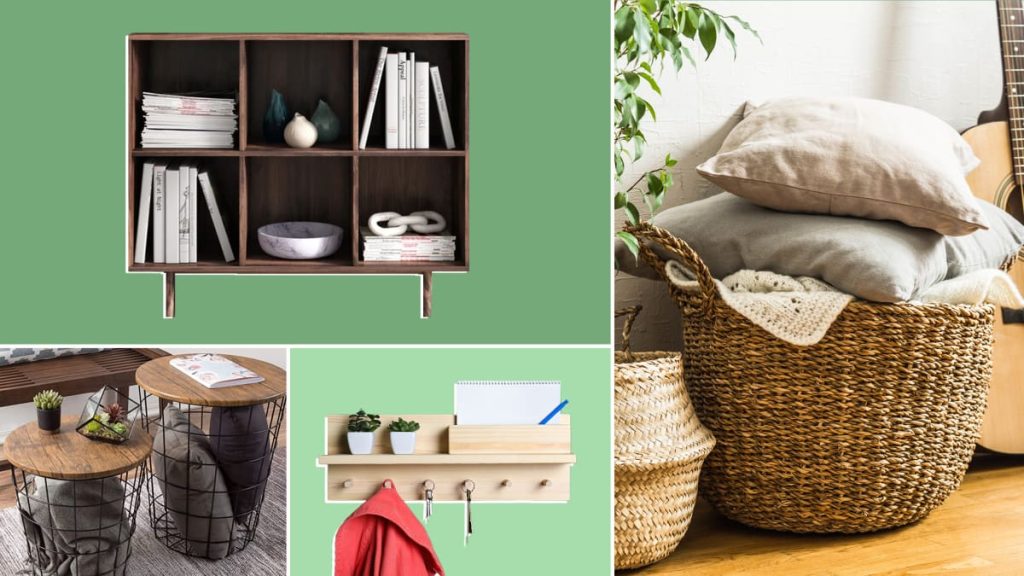
- Utilize Storage Solutions: Investing in organizational tools such as bins, shelves, and cabinets can dramatically improve your space. These solutions not only provide a designated place for items but also make it easier to find what you need without wrangling through a mess.
By implementing these straightforward yet powerful strategies, anyone can reclaim their environment from the clutches of clutter. Whether at home or work, a more organized space can lead to enhanced productivity and a greater sense of peace. Taking the leap towards decluttering is a journey worth embarking on, one that pays dividends in both mental clarity and overall quality of life. The exploration of these methods will lead you further into creating a harmonious, clutter-free existence.
DISCOVER MORE: Click here for effective strategies
Streamlining Your Space: Effective Strategies for Decluttering
Reducing clutter may initially seem like a daunting task, but implementing systematic strategies can transform overwhelming spaces into organized sanctuaries. The benefits of decluttering extend beyond mere aesthetics; they contribute to an overall improved quality of life. Here are several advanced techniques that can help streamline your environment, maximizing both function and flair.
- Adopt the “One In, One Out” Rule: This principle operates on the premise that for every new item you acquire, an old one must be removed. Whether it’s a new pair of shoes or a novel for your bookshelf, this method cultivates a mindset of sustainability and responsibility. As a result, your possessions remain manageable, reducing the tendency to accumulate clutter over time.
- Embrace Minimalism: Minimalism is not just a trendy lifestyle but also a practical approach to reducing clutter. Evaluate your belongings and keep only those items that serve a purpose or hold significant sentimental value. This often leads to better decision-making about possessions and encourages a mindset of valuing experiences over material goods.
- Make Decluttering a Family Affair: In homes where multiple people reside, getting everyone involved in the decluttering process can foster teamwork and collective responsibility. Develop a game where family members compete to see who can declutter the most items, or designate monthly family clean-up days that maintain a clean environment together.
- Utilize the Four-Box Method: Label four boxes as “Keep,” “Donate,” “Sell,” and “Trash.” As you sift through your belongings, items can be sorted into these categories, streamlining the decision-making process. This method encourages thoughtful evaluation of each item you possess, ensuring you only keep what is truly necessary.
Each of these strategies provides a unique approach tailored to diverse lifestyles and preferences. By integrating them into your daily routine, you can create a more organized and stress-free environment. It is essential to remember that the journey toward reducing clutter is gradual; be patient with yourself as you implement these techniques. Consistency and commitment to your newfound organizational system will lead you to a cleaner, more efficient space.
Moreover, consider the role of technology in decluttering. Various apps and software solutions can assist in maintaining organization, especially when it comes to digital clutter. For instance, productivity tools like Trello or Evernote aid in managing tasks and notes effectively, reducing the overwhelming presence of digital files. As you embark on this decluttering journey, combining traditional methods with technology may yield the best results.
Ultimately, the goal is clear: to foster an environment that encourages peace, productivity, and well-being. The path to decluttering is a personal journey that not only enhances physical spaces but also promotes mental clarity. Regularly revisiting and reassessing your clutter management strategies will ensure sustained success as you navigate your daily life.
Practical Strategies to Reduce Clutter at Home and Work
One of the most effective ways to tackle the overwhelming feeling of clutter is by adopting targeted strategies designed to simplify your environment. Below, we explore how implementing these strategies can enhance your living and working spaces, ultimately boosting productivity and well-being.
| Category 1 | Category 2 |
|---|---|
| Decluttering Techniques | Methods such as the 30-Day Declutter Challenge and the Marie Kondo Method guide individuals in systematically clearing unwanted items. |
| Organizational Tools | Utilizing storage bins, labels, and digital organization apps can significantly streamline both physical and digital spaces, making it easier to find what you need when you need it. |
By implementing these decluttering techniques and organizational tools, individuals can reclaim invaluable space, reduce stress, and enhance their focus. Reducing clutter not only promotes a visually pleasing environment but also plays a critical role in fostering a productive mindset. Whether you’re at home or in a work setting, the benefits are far-reaching, leading you to a more curated and serene lifestyle. To explore more strategies on this journey toward minimalism, continue seeking knowledge on effective ways to organize and maintain your living and working spaces.
DIVE DEEPER: Click here to discover the emotional benefits of decluttering
Maximizing Efficiency: Advanced Techniques for Sustained Organization
In addition to the foundational strategies discussed, more specialized techniques can significantly enhance your ability to maintain an organized environment. These methods not only help to reduce clutter but also promote a sustainable approach to living and working more intentionally.
- Implement a Cleaning Schedule: Establishing a routine cleaning schedule can prevent clutter from piling up. Whether it’s setting aside 15 minutes each day for a quick tidy-up or devoting a specific hour each week for a deep clean, creating a structured plan can drastically improve your environment. Utilizing a digital calendar to remind yourself of tasks helps keep you accountable and ensures regular upkeep.
- Designate a ‘Clutter Zone’: Sometimes, the best solution is to designate a specific area in your home or workspace for items that tend to accumulate over time. This “clutter zone” could be a small basket or a drawer where you can temporarily place items that need further sorting. By limiting the space for clutter, you’re less likely to let it overflow into other areas of your home or office.
- Prioritize Visibility with Clear Containers: Using clear storage bins can dramatically improve organization. When items are visible, there’s a reduced likelihood of losing track of belongings, thereby eliminating the need to repurchase duplicates. Labeling these bins further enhances organization and ensures everyone knows where to place items.
- Leverage Multifunctional Furniture: In smaller spaces, the use of multifunctional furniture can be a game changer. Coffee tables with hidden storage or ottomans that double as seating and storage can keep your areas tidy while enhancing functionality. This innovative approach not only saves space but also encourages organized living.
As you delve deeper into reducing clutter, consider the psychological benefits of a well-organized space. Research indicates that a decluttered environment can significantly reduce stress levels and increase focus. In workplaces where the physical environment plays a crucial role, keeping desks organized can lead to enhanced productivity among employees. Studies show that individuals working in tidy spaces exhibit more creativity and efficiency in their tasks.
Additionally, the incorporation of sustainable practices into decluttering efforts adds another layer of depth. For example, when donating items, consider local shelters or community groups that support those in need. Forming connections with these organizations can cultivate a sense of purpose in decluttering, knowing that your efforts are benefitting others in your community.
Finally, while the pursuit of a clutter-free environment is commendable, it’s essential to regularly evaluate the impact that each strategy has on your life. This process may involve adapting your techniques over time as your lifestyle changes. For instance, if you notice that certain strategies are not yielding the desired results, it may be time to revisit your approach and try alternative methods.
By embracing a holistic and adaptable strategy, you can foster an enduring commitment to reducing clutter at home and work. Recognize that these practical strategies work synergistically when applied consistently, leading to an organized environment that supports mental clarity and enhances overall wellness.
DIVE DEEPER: Click here to streamline your schedule
Embracing a Clutter-Free Lifestyle: Final Thoughts
Reducing clutter—whether at home or in the workplace—requires a multifaceted approach that blends practical strategies with a commitment to ongoing evaluation. As we have explored, the path to an organized environment is not merely about discarding items; it’s about adopting a lifestyle that prioritizes intentionality and efficiency. By implementing techniques such as establishing a cleaning schedule, designating clutter zones, utilizing clear containers, and incorporating multifunctional furniture, individuals can create spaces that support mental clarity and enhance productivity.
Moreover, the psychological advantages of a decluttered environment are noteworthy. Studies indicate that reducing physical clutter can lead to lower stress levels and higher focus, promoting not only a sense of serenity but also increased creativity and efficiency—especially in work settings. Connecting decluttering efforts to community support initiatives, such as donating unwanted items, adds another dimension of purpose to the process, allowing individuals to contribute positively to their neighborhoods.
Ultimately, the journey toward an organized environment is ongoing. Regularly assessing the effectiveness of different strategies is essential; as life evolves, so too should our approaches to maintaining order. By creating habits built around these practical strategies and emphasizing adaptability, we can successfully navigate the ebb and flow of our belongings. Embrace the benefits of a clutter-free lifestyle—not just for aesthetics, but for enhanced mental well-being and sustainable living!