Reducing Clutter and the Practice of Gratitude: How Letting Go Can Increase Appreciation for What You Have
Embracing Simplicity and Gratitude
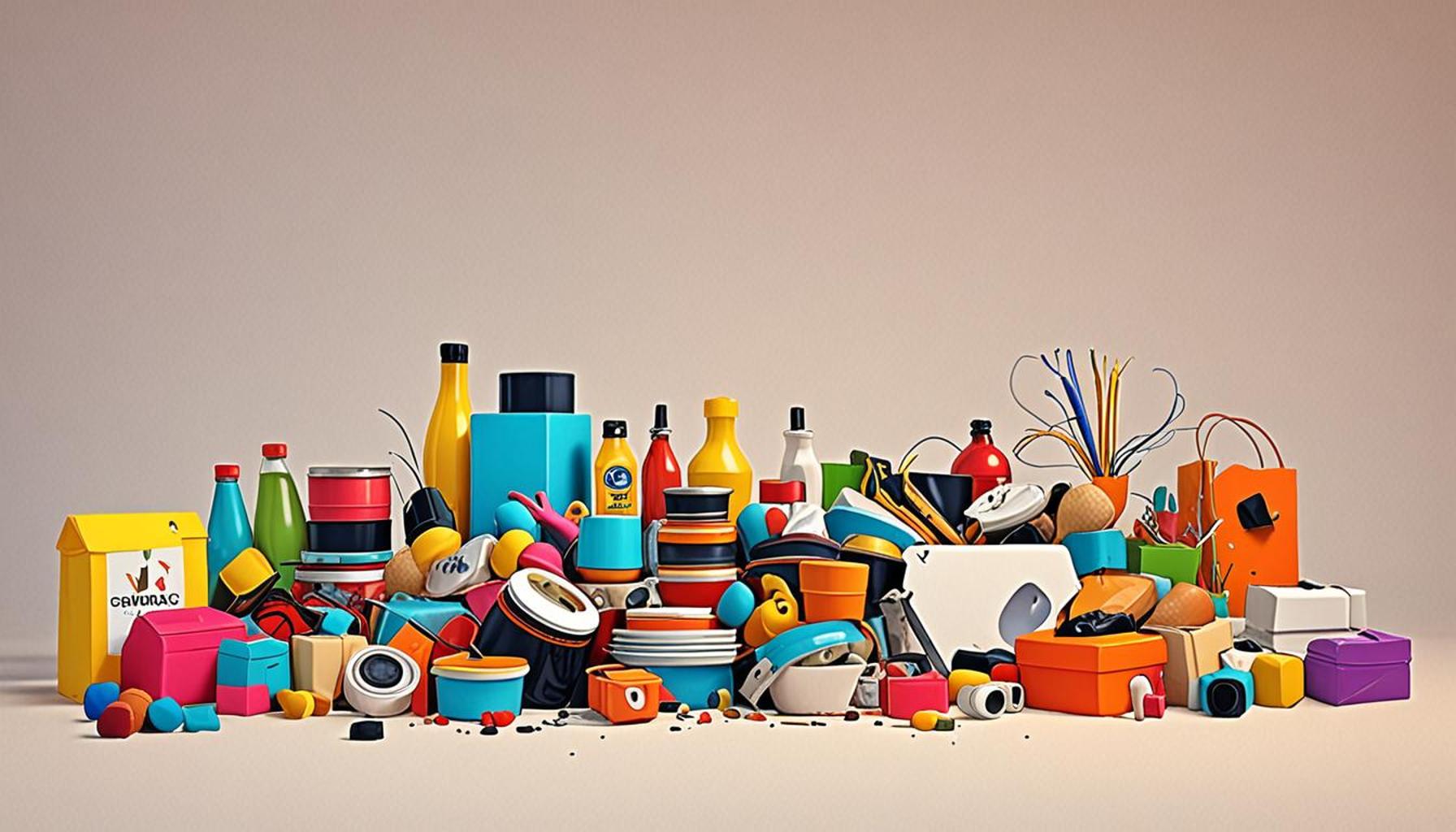
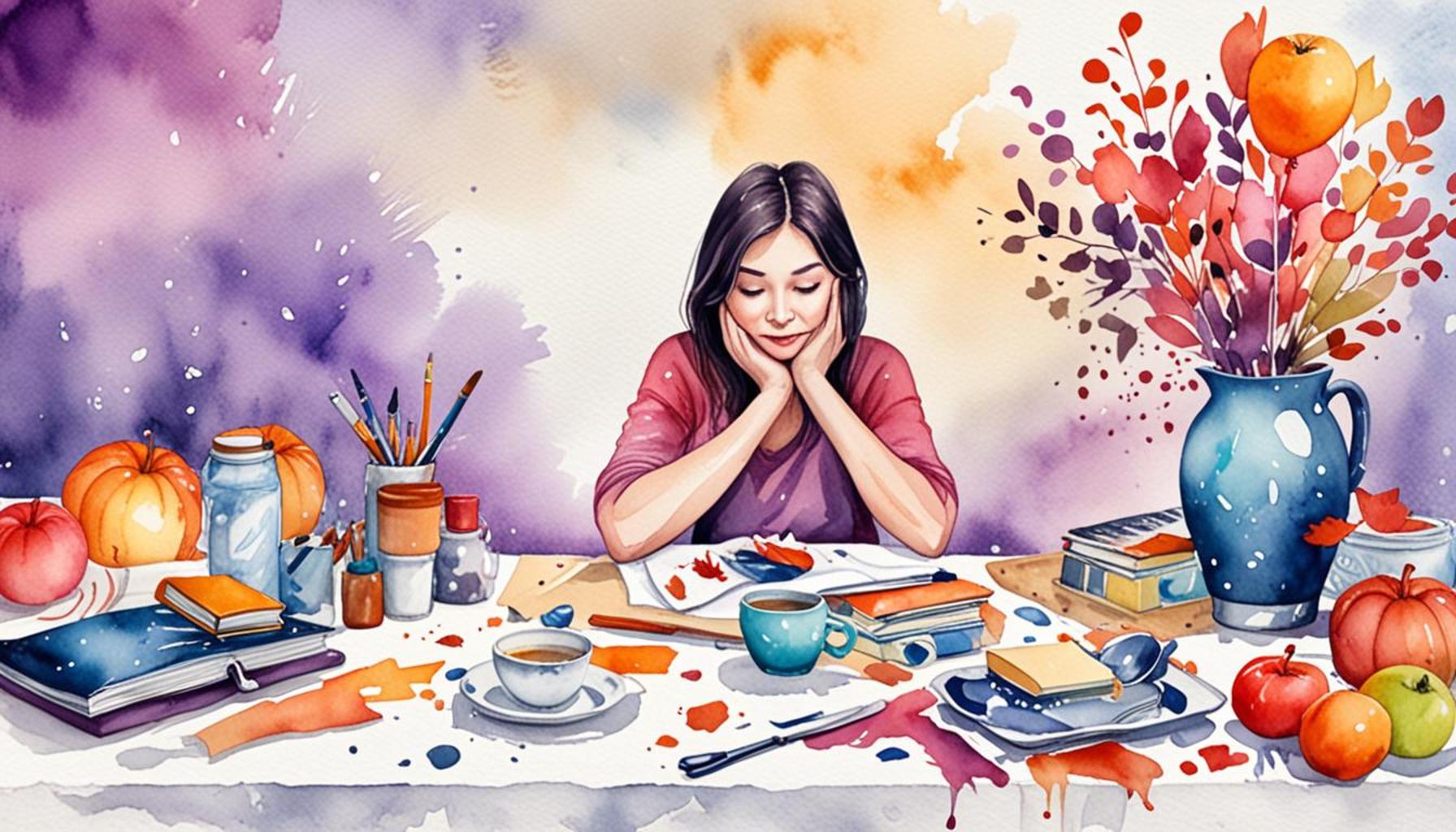
In today’s fast-paced world, where consumerism and materialism dominate, the overwhelming accumulation of possessions can easily cloud our ability to appreciate what truly matters. This often leads us down a path where constant distraction and chaos prevent us from living in the moment. However, the process of reducing clutter extends beyond merely creating physical space; it also cultivates an environment ripe for gratitude. The connection between letting go of excess belongings and enhancing appreciation for what we retain is profound, capable of leading to transformative changes in our lives.
The Connection Between Clutter and Gratitude
Clutter, whether it be piles of unfinished projects, excess furniture, or simply too many items that no longer serve a purpose, can contribute to several negative outcomes:
- Stress and anxiety: Studies have shown that a chaotic environment can increase levels of cortisol, the stress hormone, leading to mental unrest and an overall feeling of being overwhelmed.
- Distraction: Imagine trying to relax or meditate in a room cluttered with items that demand your attention—accumulated possessions can nag at us, diverting focus from meaningful experiences, relationships, and even self-reflection.
- Overwhelm: The sheer volume of belongings can easily make us feel burdened, leading to a sensation of suffocation rather than contentment. Whether it’s a crowded closet or an overstuffed garage, this mental weight can inhibit our happiness.
By consciously allowing ourselves to release these excess items, we can create space that fosters emotional well-being. This is where the practice of appreciation comes into play—discovering what we truly value helps us to cultivate a deeper understanding of our priorities and enhances our enthusiasm for the things we choose to keep.
Benefits of Letting Go
Choosing to declutter leads to a host of benefits that not only improve our physical surroundings but also elevate our mental state:
- Increased mindfulness: With fewer distractions, we can better engage with our present state, allowing for a greater awareness of our thoughts, feelings, and experiences.
- Enhanced gratitude: In the aftermath of decluttering, many find that understanding what we truly value amplifies a genuine appreciation for our possessions, leading to more meaningful interactions with both objects and people.
- Improved well-being: Research suggests that a tidy, organized space promotes mental clarity and peace, potentially reducing symptoms of anxiety and depression.
As we embark on this thoughtful journey of reducing clutter, we simultaneously invite the practice of gratitude into our lives. This dual approach not only amplifies our connection to the objects we choose to keep but also fosters an enriching relationship with our environment. By embracing simplicity, we open ourselves up to deeper connection and fulfillment, allowing the beauty of minimalism to enhance our overall quality of life.

As we delve deeper into this topic, it’s worth exploring resources such as Marie Kondo’s “The Life-Changing Magic of Tidying Up” for methodologies on decluttering and boosting gratitude in everyday life. One step at a time, this journey can encourage a cultural shift towards valuing experiences over possessions, making room for what truly matters.
DISCOVER MORE: Click here to transform your space
The Psychological Impact of Clutter on Our Lives
Understanding the psychological underpinnings of clutter and its effects on our mental state is crucial to appreciating the transformative power of letting go. When surrounded by too many possessions, we can often feel trapped in a physical manifestation of chaos. This clutter serves not just as a barrier to organization but as a hindrance to mental clarity. Numerous studies indicate that living in cluttered environments correlates with elevated stress levels, mood fluctuations, and even diminished cognitive function.
A recent survey by the National Sleep Foundation revealed that individuals living in cluttered spaces reported poorer sleep quality. This finding underscores the reality that our environments—where we spend our time—are intimately tied to our overall sense of well-being. When physical space is overwhelmed, our mental space can become convoluted, hindering emotional stability and making it challenging to focus on the abundance that life offers.
Letting Go: A Path to Emotional Freedom
Embracing the act of letting go can be a daunting but profoundly rewarding journey. It requires introspective evaluation of our attachments and invites us to confront the reasons behind our accumulation of items. Engaging in this process can facilitate emotional freedom and pave the way for growth in several ways:
- Re-evaluation of values: When decluttering, we are often forced to ponder the significance of our belongings. This evaluation leads to a deeper understanding of what we genuinely value and why certain items hold meaning in our lives. By asking ourselves questions like, “Does this item bring me joy?” or “Does it serve a purpose?” we can prioritize what matters.
- Connection to experiences: Letting go encourages a shift from material attachments to valuing experiences. Research indicates that people who emphasize experiential purchases—like travel or shared moments with loved ones—report higher levels of happiness compared to those focused on material items. By decluttering, we make room for more enriching life experiences.
- Encouragement of gratitude: As we release unnecessary belongings, we may find ourselves more grateful for the items we choose to keep. This practice of gratitude can enhance our appreciation for everyday experiences, transforming mundane moments into profound ones.
The act of decluttering is not merely about creating a tidy space; it is a proactive step toward self-discovery and enhanced gratitude. By intentionally choosing to let go of items that no longer align with our values or bring joy, we can consciously curate our environments in a way that resonates with our true selves.
Furthermore, as we explore the idea of gratitude through letting go, we realize that the journey doesn’t just stop at physical decluttering. It’s also about developing a mindset rooted in appreciation and mindfulness. Resources such as “The Minimalist Home” by Joshua Becker provide practical strategies for kicking off this journey while emphasizing the intrinsic value of gratitude as a life-changing practice.
| Advantages | Details |
|---|---|
| Enhanced Mental Clarity | Reducing clutter in physical space can lead to a more focused mind, allowing individuals to prioritize their thoughts and engage better in daily activities. |
| Increased Gratitude | Letting go of excess belongings fosters a deeper appreciation for what truly matters. This practice can lead to a greater sense of fulfillment and joy in everyday experiences. |
This connection between reducing clutter and cultivating gratitude not only helps declutter physical spaces but can also provide emotional benefits. As you practice letting go, you may find yourself more aware and appreciative of the simple joys you encounter daily, transforming your perspective on life. In a society that often equates possessions with success, this shift in mindset is incredibly transformative. By embracing minimalism, you encourage an environment of gratitude that allows for emotional and psychological growth, leaving space for more meaningful connections and experiences. In essence, the process of decluttering becomes not just a task, but an impactful journey towards enhancing appreciation for both self and surroundings. As you delve deeper into this concept, consider how small changes can lead to significant shifts in both your habits and your mindset.
DISCOVER MORE: Click here to simplify your life
Transforming Mindsets: The Intersection of Minimalism and Gratitude
The journey towards reducing clutter is intimately linked with the embrace of a minimalistic mindset, which prioritizes quality over quantity. This lifestyle not only embodies the art of letting go but also cultivates a deeper sense of appreciation for what we possess. As individuals pivot towards minimalism, they often uncover how freeing it can be to live intentionally, focused on the things that genuinely enrich their lives.
This transformation often begins with the recognition that modern consumer culture encourages constant acquisition rather than reflection on what we already own. According to a study by the American Psychological Association, individuals in consumerist societies may experience a heightened sense of discontent and disappointment, heightened by social media portrayals of idealized lives. In contrast, minimalists frequently experience less anxiety and greater overall satisfaction, primarily because they focus on cherishing their experiences, relationships, and the few items they choose to keep.
The Practice of Mindful Living
Integrating mindfulness into our daily routines can significantly amplify our gratitude when it comes to our belongings. Mindfulness encourages us to be present in the moment, allowing for a greater appreciation of what we have. One popular method is the practice of gratitude journaling, where individuals take time each day to reflect on what they are thankful for. Research indicates that people who keep a gratitude journal experience a range of psychological benefits—including increased happiness and decreased depressive symptoms.
Moreover, when decluttering, taking a moment to express gratitude for the items we decide to keep can be transformative. This practice not only honors the memories and experiences associated with our belongings but also reiterates the value of those items in our life story. For example, instead of viewing a worn-out family heirloom as an outdated object, considering it a vessel for cherished memories can pivot one’s mindset entirely. It helps to remember that the emotional value of an object often outweighs its physical worth.
Community Support in the Journey of Letting Go
As we embark on the journey of decluttering, it becomes increasingly valuable to engage with others pursuing similar goals. Community support can be a powerful motivator, providing accountability and encouragement. Local clutter support groups or online forums, such as Facebook groups or Reddit threads, offer platforms where individuals share their decluttering successes and challenges. This interaction not only builds a sense of community but also fosters gratitude as members reflect on their unique journeys and the valuable insights gained along the way.
Incorporating the practice of letting go into broader community events, such as swap meets or donation drives, can further amplify gratitude. Such events highlight the idea of sharing resources; letting go of unwanted items enables others to find value in them, fostering a sense of connectedness and reinforcing appreciation for what we have left.
As we approach decluttering as more than just cleaning out a space, recognizing it as a pathway to a more meaningful existence can change how we view both our possessions and our lives. With every item we let go, we create space for developing a more profound gratitude for the moments, relationships, and experiences that truly enrich our lives.
DIVE DEEPER: Click here to enhance your time management skills
Embracing Letting Go: A Pathway to Greater Appreciation
In conclusion, the intertwining practices of reducing clutter and embracing gratitude offer rich opportunities for personal growth and fulfillment. The act of decluttering is not merely about creating a more organized space; it facilitates a transformation in how we relate to our belongings and ultimately, to ourselves. By letting go of excess, we carve out room for appreciation and mindfulness, enabling us to focus on what genuinely matters in our lives.
As we engage in this journey, we recognize that minimalism is a conscious choice, aligned with our values and desires for contentment. The psychological research supports this transition, revealing that individuals who actively practice gratitude and mindful living report enhanced well-being and satisfaction. Acknowledging the emotional significance of the items we choose to keep reinforces their value in our lives, promoting a richer, more meaningful existence.
Moreover, this journey becomes even more fulfilling when shared within a community. Participating in support groups, swap meets, or donation drives not only reinforces our commitment to decluttering but also cultivates a sense of connection with others. Through these shared experiences, we deepen our appreciation for the collaborative spirit of giving and receiving, extending our gratitude beyond our individual possession.
Ultimately, the practice of letting go is about recognizing the beauty in what we have while releasing what no longer serves us. This cycle of decluttering can be a powerful pathway not just to a simpler living space, but to an enriched life filled with gratitude, clarity, and purpose. As you embark on your own journey, consider how letting go can illuminate the true treasures that await in the moments, connections, and experiences that define your life.